


- Collection name: Blue Biotechnology and Ecotoxicology Culture Collection
- Acronym: LEGE-CC
- WDCM number: 1089
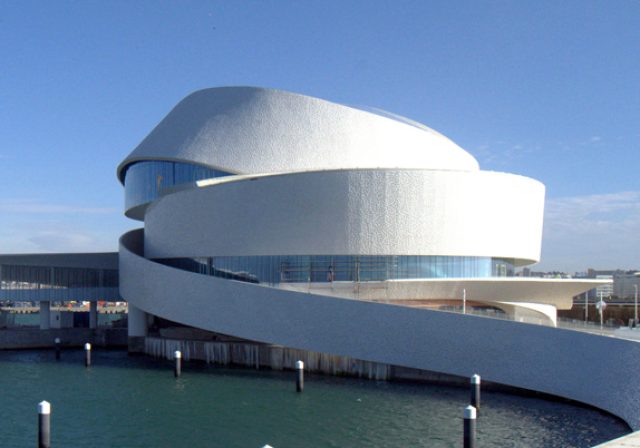
- Institution: CIIMAR | Interdisciplinary Centre of Marine and Environmental Research of the University of Porto, Novo Edifício do Terminal de Cruzeiros do Porto de Leixões
- Address:
Avenida General Norton de Matos, S/N
4450-208 Matosinhos
Portugal - Website: https://lege.ciimar.up.pt/
Website of the catalogue or database of the collection: https://lege.ciimar.up.pt/wp-content/uploads/2025/04/LEGE-CC-Catalog_compressed.pdf ; https://legeculturecollection.ciimar.up.pt/
Facebook: https://www.facebook.com/LEGECC
Twitter/X: https://x.com/legecc
LinkedIn: https://www.linkedin.com/company/lege-cc - Correspondence data:
E-mail: legeculturecollection@gmail.com
Tel.: +351 223 401 837
Correspondent: Raquel Silva (LEGE-CC Curator) araqssilva@gmail.com; Vitor Vasconcelos (LEGE-CC Director) vmvascon@fc.up.pt
Member holdings
Group(s) of biological resources stored in the collection: bacteria, archaea, cyanobacteria, eukaryotic algae, cyanobacteria genomic DNA.
The Blue Biotechnology and Ecotoxicology Culture Collection (LEGE-CC) is a biological resource center located at the Interdisciplinary Center of Marine and Environmental Research (CIIMAR). Established in 1991, LEGE-CC holds the distinction of being Portugal's oldest culture collection of its kind. It started with just 45 strains from Portuguese ecosystems, today, the collection contains over 1 500 different strains of cyanobacteria and microalgae. These invaluable resources have played a pivotal role in the creation of the Portuguese Blue Biobank.
LEGE-CC is also affiliated with esteemed organizations like the World Federation for Culture Collections (WFCC) and the European Culture Collections Organization (ECCO), as well as research infrastructures like EMBRC and MIRRI. LEGE-CC has achieved ISO 9001 certification, a mark of quality and excellence in its management and service.
Similar to other biological resource centers around the world, LEGE-CC aims to provide various services, including the distribution of starter cultures for different purposes, isolation and identification of strains, strain deposit, consultancy, and training courses.
LEGE-CC serves as the core source for numerous projects and scientific studies, with strains undergoing screening for various purposes such as anti-cancer, anti-biofouling, anti-microbial, anti-biofilm, anti-obesogenic, and related health applications, cosmetics, and food production.
LEGE-CC has made concerted efforts to explore both national and international locations, focusing on underexplored environments, isolating diverse microorganisms to increase the availability for biotechnological diversity and providing the collection with a unique geographical and phylogenetic richness.
The Culture collection holds strains isolated mainly form Portuguese territory, including the Azores and Madeira archipelagos and incorporates diverse environments such as freshwater, marine, brackish, and terrestrial habitats. In addition to Portugal, strains have been collected from various countries worldwide due to the sampling trips made by the staff team, including Australia, Brazil, Bolivia, Chile, Colombia, Morocco, Mexico, the Dominican Republic, and Cape Verde. LEGE-CC has made concerted efforts to explore both national and international locations, focusing on underexplored environments, isolating diverse microorganisms to increase the availability for biotechnological diversity and providing the collection with a unique geographical and phylogenetic richness.
Services offered
LEGE-CC offers a variety of services, leveraging the diversity of our collection, our expertise, and certified processes. Our team of specialists has a strong background in molecular biology and genetics, complemented by a taxonomist with expertise primarily in cyanobacteria and microalgae.
Our primary focus is the supply of cultures, and our team excels in essential techniques such as the isolation and identification of cyanobacteria and microalgae. We also offer consultancy services for external projects as well as for our in-house researchers.
If you wish to entrust your strains to our care, we provide a strain deposit service.
Services: Culture Supply, Isolation Identification, Genomic DNA Supply Training courses, Consultancy, Deposit and Maintenance, Medium supply, Toxin analyzes.
Research
Throughout the years, the LEGE-CC has contributed substantially to cyanobacterial systematics by identifying and characterizing 15 new genera of cyanobacteria isolated from three different continents. In 2025, this effort continued with the description of three additional genera, urther enriching the phylogenetic and ecological diversity represented within the LEGE-CC collection.
These achievements are embedded within LEGE-CC’s broader mission of preservation and management of microbiological resources, assessing cyanobacterial and microalgal diversity across a wide range of environments, and conducting strain identification following modern taxonomic frameworks that integrate molecular and morphological approaches. Additionally, the collection actively engages in bioprospecting and screening initiatives, supporting the discovery of novel taxa and bioactive potential from diverse ecological niches.
Quality Management System
ISO 9001:2015